

This paper – published in Educational Psychology – presents findings from an evaluation study of technology-based strategies for improving students’ self-directed learning (SDL), defined as motivation, metacognitive processes, and applied learning skills, in online college STEM courses.
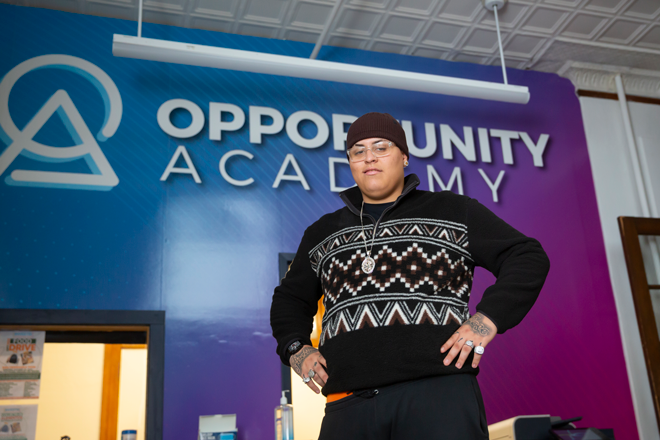
What happens when high schools are designed around strong relationships, rigorous and purposeful instruction, and student agency? Our new brief, Doing High School Differently: The Student Experience in Engage New England Schools, explores that question through the voices and experiences of students attending four Engage New England (ENE) schools across Massachusetts and Rhode Island.

What does it really mean for students to be ready for college? Grades, test scores, and course completion rates can help indicate whether students are academically prepared, but they do not always tell the full story.

As graduation season comes to a close, and high school seniors across the country are making decisions about what comes next. For decades, educators and policymakers largely evaluated the success of that transition through a single lens: college enrollment.

Career and technical education (CTE) is an increasingly popular approach to making high school more relevant—connecting classroom learning to real careers while preparing students for both college and the workforce.

Focusing on the “average student” can often hide what matters most. Students differ in how they manage time, seek help, and respond to challenges—and those differences shape learning outcomes.

Join us as we reflect on the importance and history of CTE in the United States and celebrate CTE programs that we’ve partnered with over the past year.

When we talk about student success, we often focus on outcomes like grades or persistence. But behind those outcomes are the skills, mindsets, and affects that students bring to—and build during—their school experiences.

A new collaborative effort between SRI and Center for the Future of Arizona (CFA) is focused on developing coherent, accessible secondary school preparation for cybersecurity careers that encompass aligned secondary to community college course sequences.

As online learning continues to play a significant role in the lives of today’s college students, instructors and researchers have been exploring new strategies to foster engagement and promote self-directed learning (SDL) skill development in virtual settings.
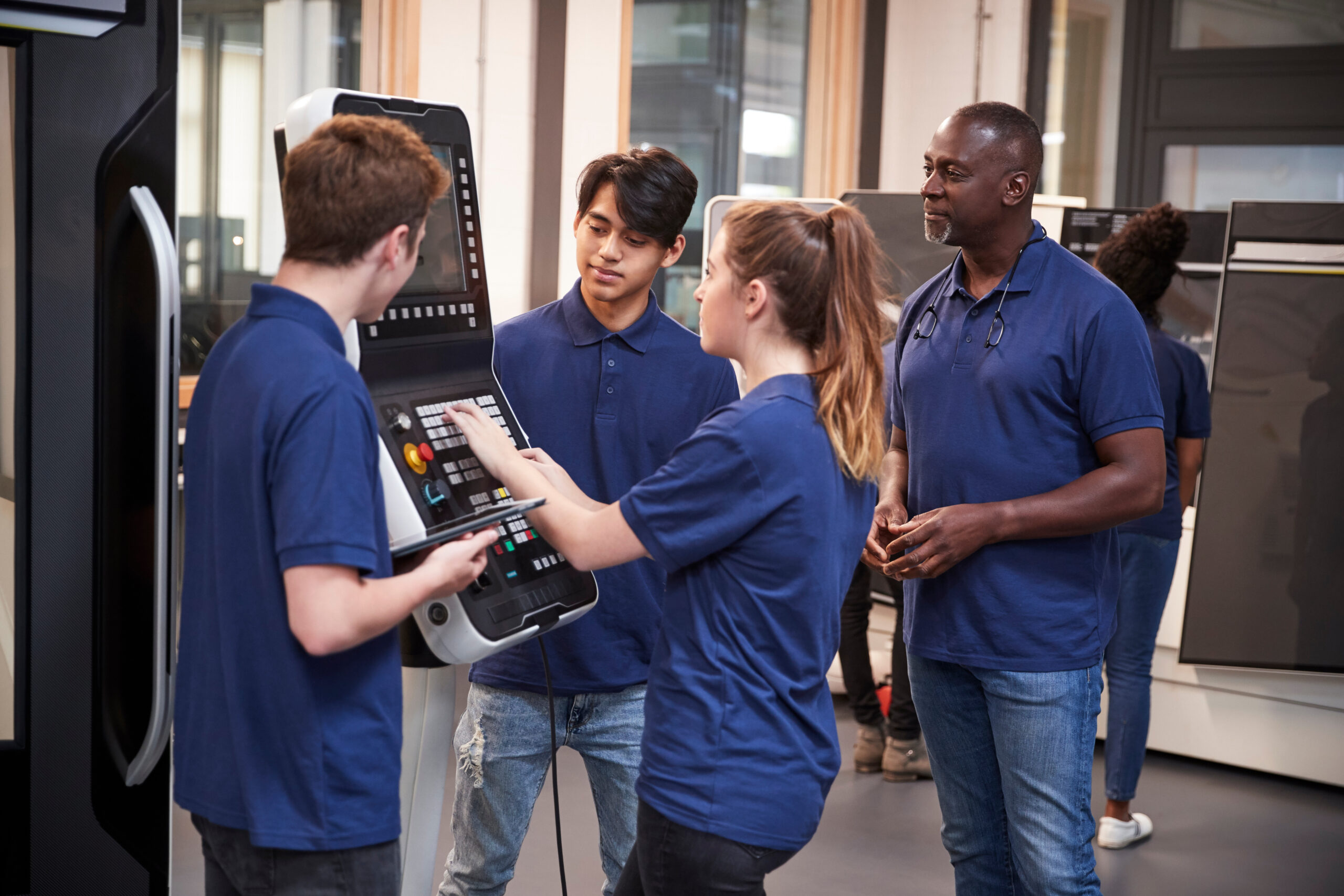
As workplaces change rapidly due to new technologies and shifting global economics, employers are calling on community college career and technical education (CTE) instructors to ensure their graduates have not only technical skills, but also the professional capabilities to communicate, collaborate, persist through challenges, and engage in lifelong learning.

In online courses, students are expected to take more ownership of planning their learning approaches and study methods, organizing their time, seeking help, and following through on coursework.
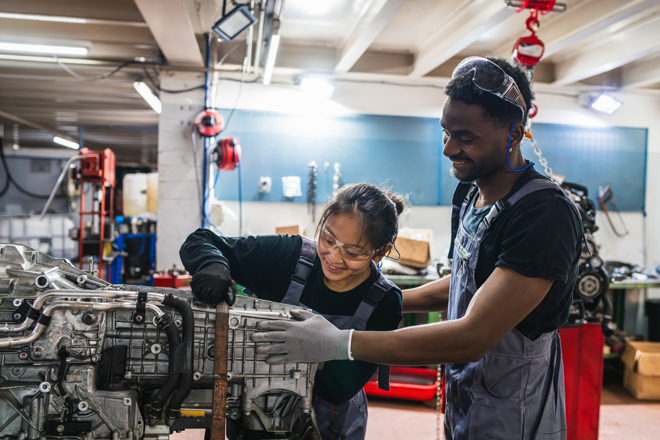
SRI is excited to announce a new partnership with Los Angeles Unified School District (LAUSD) to examine career development opportunities (CDOs) in the district.

Researchers seeking to scale the impact of educational interventions or products often choose to release them free of charge with open licenses to maximize adoption. One common motivation is to ensure equitable access to those products in under-resourced communities.

The LEARN Network’s Ela Joshi sat down with host of The SRI Homeroom podcast Kori Hamilton Biagas to break down the nuanced world of developing and scaling evidence-based products and practices, emphasizing the vital role of student input.